The Effect of Applying the Hypnolearning Model on Motivation and Biology Learning Outcomes of Students at SMA Negeri 1 Pekanbaru
DOI:
https://doi.org/10.47945/search.v5i1.3099Keywords:
Hypnolearning, Learning Motivation, Biology Learning Outcomes, Senior High School StudentsAbstract
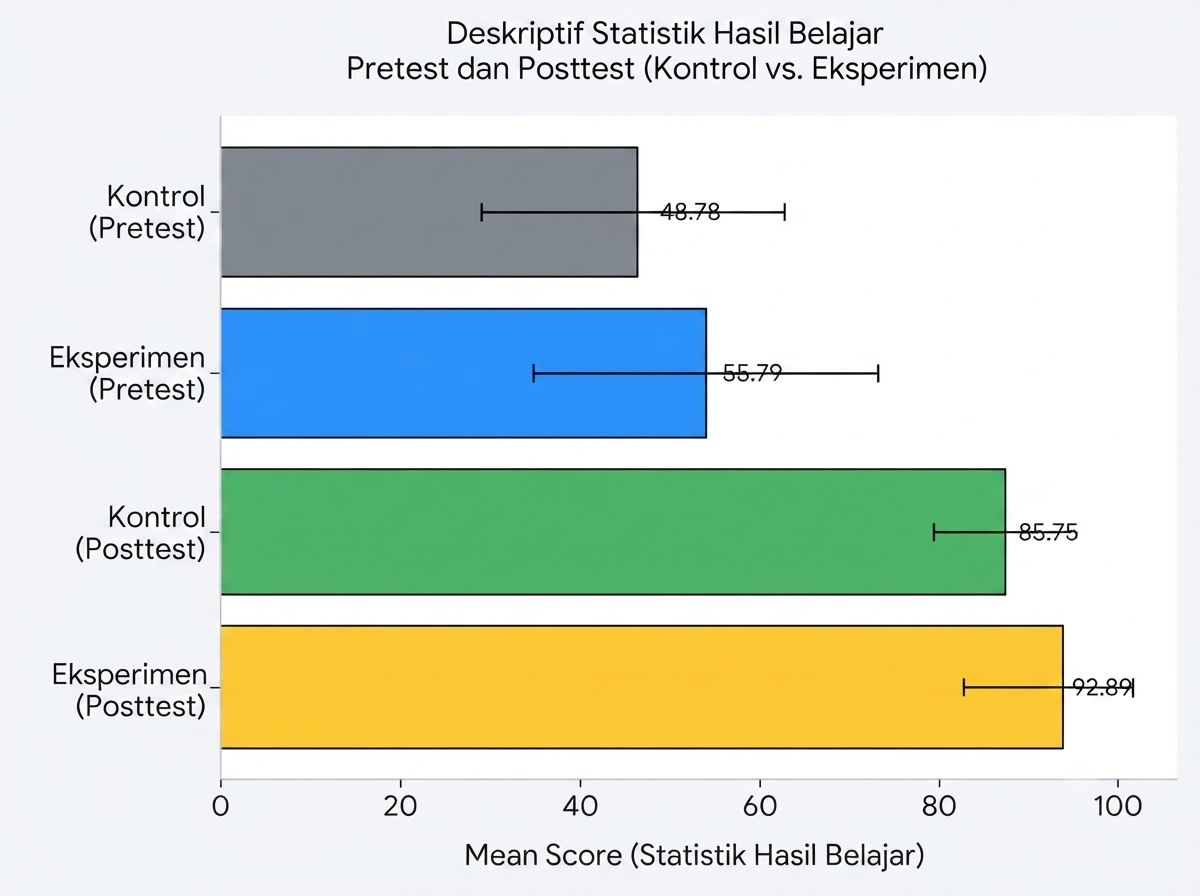
Learning motivation and biology learning outcomes are important factors that determine students' success in the learning process. However, many senior high school students still experience low learning motivation, poor concentration, and unsatisfactory learning outcomes due to the predominance of conventional teaching methods. Therefore, innovative learning models are needed to create a more engaging and effective learning environment. This study aimed to determine the effect of the Hypnolearning model on students’ learning motivation and biology learning outcomes at SMA Negeri 1 Pekanbaru. The study employed a quantitative approach using a quasi-experimental method with a pretest-posttest control group design. The sample consisted of two classes selected through purposive sampling, namely an experimental class taught using the Hypnolearning model and a control class taught using conventional learning methods. Data were collected through learning motivation questionnaires and biology achievement tests and were analyzed using an independent sample t-test. The results indicated that the implementation of the Hypnolearning model had a positive effect on students’ learning motivation and biology learning outcomes, as evidenced by higher motivation scores and improved learning outcomes in the experimental class compared to the control class. In conclusion, the Hypnolearning model can serve as an effective alternative learning approach to enhance students’ motivation and biology learning outcomes while creating a more enjoyable and conducive learning atmosphere.
References
Arwin, A., & Herlina. (2022). Pengaruh pembelajaran hypnolearning terhadap hasil belajar siswa SMP Harapan Bhakti Makassar. Jurnal Pendidikan Dan Pembelajaran, 2(2), 45–53.
, & Mudjiono. (2020). Belajar dan pembelajaran (Edisi ke-5). Rineka Cipta.
DimyatiDinata, M., & Sembiring, A. K. (2020). Penerapan model pembelajaran standing banner learning untuk meningkatkan hasil belajar mahasiswa pada matakuliah Biologi Konservasi. Bio-Lectura: Jurnal Pendidikan Biologi, 7(2), 183–186. https://doi.org/10.31849/bl.v7i2.5310
Djamarah, S. B., & Zain, A. (2020). Strategi belajar mengajar (Edisi revisi). Rineka Cipta.
Hajar, I. (2020). Hypnoteaching: Memaksimalkan hasil proses belajar-mengajar dengan hipnoterapi. DIVA Press.
Herziza, S., Afidah, M., Wahyuni, S., & Sembiring, A. K. (2021). Analisis motivasi belajar siswa dalam pembelajaran menggunakan media Google Classroom. Bio-Lectura: Jurnal Pendidikan Biologi, 8(1), 71–78. https://doi.org/10.31849/bl.v8i1.6423
Mayarni, M., Habsari, I., Suciati, R., Amirullah, G., Murwatiningsih, S., & Nazilah, F. (2023). Analysis the use of audiovisual hypnoteaching learning model in improving educational results of science subject in elementary school. Jurnal Penelitian Pendidikan IPA, 9(12), 11943–11950. https://doi.org/10.29303/jppipa.v9i12.5671, D. E. (2002). The relationship between mathematics preparation and conceptual learning gains in physics: A possible “hidden variable” in diagnostic pretest scores. American Journal of Physics, 70(12), 1259–1268. https://doi.org/10.1119/1.1514215
Nurhayati, E., Windayana, H., & Pranata, O. H. (2022). Pengaruh model pembelajaran inovatif terhadap motivasi dan hasil belajar IPA siswa sekolah dasar. Jurnal Pendidikan Dasar, 13(1), 112–124. https://doi.org/10.21009/JPD.131.10
Nurjannah, N., & Heriyanti, A. (2024). Pelatihan dan pendampingan hypnolearning untuk meningkatkan efektivitas pembelajaran matematika melalui sugesti positif. Jurnal Pengabdian Masyarakat Pendidikan, 3(2), 78–89. https://doi.org/10.57235/jpmp.v3i2.2891
Rikizaputra, Ismail, Firda, A., Ramadansur, R., & Sembiring, A. K. (2026). The effect of local wisdom-contained model SETS on ecosystem material on students’ creative thinking. Bio-Lectura: Jurnal Pendidikan Biologi, 13(1), 9–23. https://doi.org/10.31849/bl.v13i1
Rusman. (2021). Model-model pembelajaran: Mengembangkan profesionalisme guru (Edisi ke-3). Rajawali Press.
Santrock, J. W. (2021). Psikologi pendidikan (Edisi ke-5). Salemba Humanika.
Sardiman, A. M. (2022). Interaksi dan motivasi belajar mengajar (Edisi revisi). Rajawali Press.
Sembiring, A. K., Dinata, M., & Sukaida, L. (2019). Pengaruh pembelajaran tutor sebaya berbantuan standing banner terhadap hasil belajar siswa materi sistem pencernaan manusia. Bio-Lectura: Jurnal Pendidikan Biologi, 6(1), 35–46. https://doi.org/10.31849/bl.v6i1.2681
Slameto. (2020). Belajar dan faktor-faktor yang mempengaruhinya (Edisi revisi). Rineka Cipta.
Suardika, I. K., Degeng, I. N. S., Setyosari, P., & Ulfa, S. (2022). The effect of ARCS motivational model on student motivation and learning outcomes in biology. International Journal of Instruction, 15(3), 479–496. https://doi.org/10.29333/iji.2022.15327a
Supriyono, A. (2020). Cooperative learning: Teori dan aplikasi PAIKEM (Edisi ke-4). Pustaka Pelajar.
Trianto. (2020). Model pembelajaran terpadu: Konsep, strategi dan implementasinya dalam Kurikulum Tingkat Satuan Pendidikan (Edisi ke-11). Bumi Aksara.
Uno, H. B. (2021). Teori motivasi dan pengukurannya: Analisis di bidang pendidikan (Edisi ke-16). Bumi Aksara.
Wahyuni, S., Sembiring, A. K., & Fitriani, T. (2017). Pengaruh pembelajaran STM berbasis proyek terhadap hasil belajar siswa pada materi pencemaran lingkungan di kelas VII SMPN 30 Pekanbaru. Bio-Lectura: Jurnal Pendidikan Biologi, 4(2), 198–212.
Cohen, J. (1973). Eta-squared and partial eta-squared in fixed factor ANOVA designs. Educational and Psychological Measurement, 33(1), 107-112. https://doi.org/10.1177/001316447303300111
Cohen, J. (1988). Statistical power analysis for the behavioral sciences (2nd ed.). Lawrence Erlbaum Associates.